LA PEQUEÑA GUERRA
Mauricio-José Schwarz
(Premio nacional de cuento de ciencia ficción "Puebla" 1984)
Había formas de burlar la ley, es cierto, especialmente si uno tenía mucho dinero, ellos no lo tenían. También eran útiles las amistades en posiciones elevadas, pero esa era otra carencia de las muchas que la familia coleccionaba por todas partes. La única solución eran la que confrontaban ahora, al escuchar el nombre de su hija por los altavoces del estadio.
La morena y frágil figura de Arianne se dibujó en la entrada de la puerta Maratón.
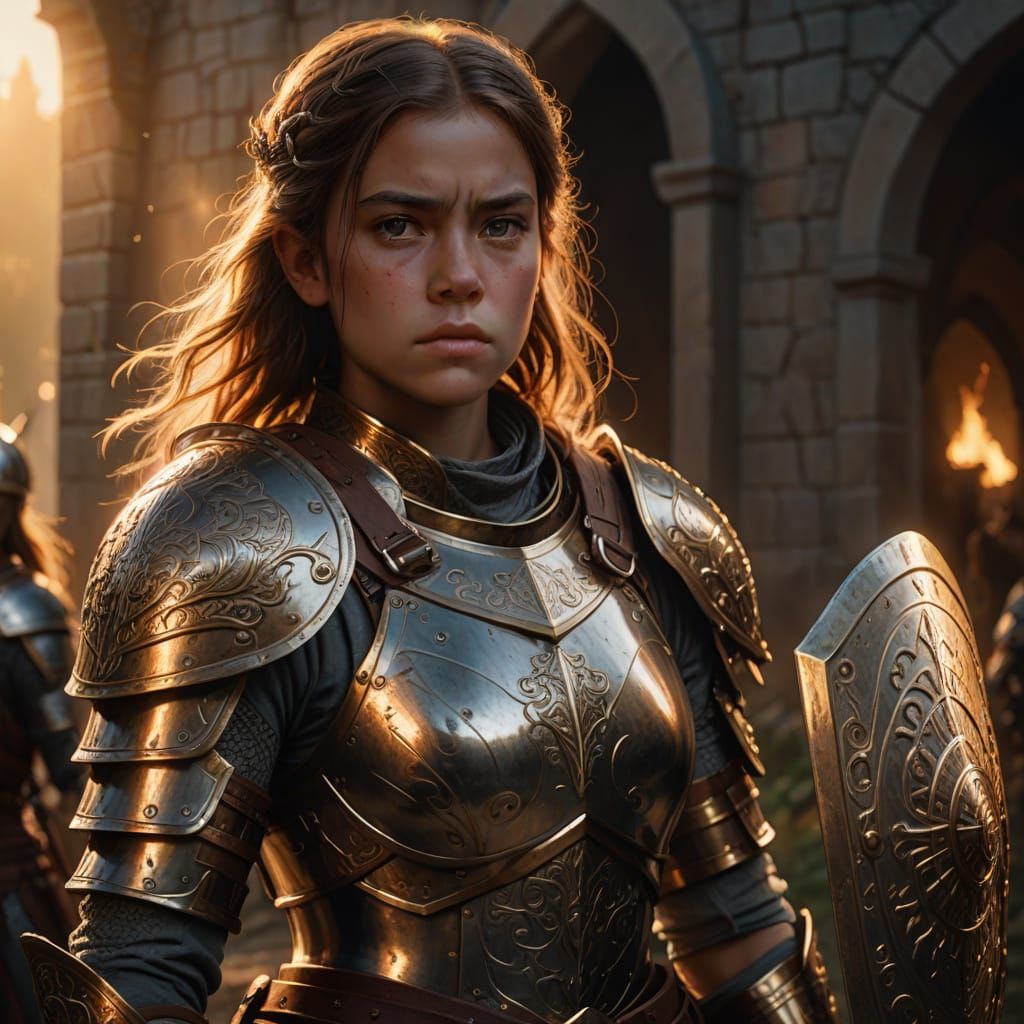
"Qué pequeña es", se lamentó Akira, inseguro del entrenamiento al que había sometido, forzada, a la esbelta niña de diez años que avanzaba ahora hacia el centro de la arena, mientras su nuevo casco azul destellaba al sol, mostrando un penacho de furiosas navajas curvas.
Guinnivere, que estaba aún sufriendo espasmos en la garganta, miró a su hija y no pudo evitar imaginarla como tantos niños que había visto desfilar esa mañana. Un sangrante resultado sin brazos, con la cabeza despedazada de un mazazo o con el vientre tajado sin remedio y las infantiles entrañas fluyendo como un temeroso rió de lava apenas tibia, Guinnivere se preguntaba una y otra vez si Akira había cumplido como padre.
La niña intentó durante sólo unos segundos hallar los rostros de sus padres entre la multitud que llenaba las gradas; algunos con miedo a perder lo amado, otros con deleite, los más con furia, esperando al vengador que acabara con quien hubiera sido verdugo de sus hijos. El ambiente se caldeaba más a cada momento. Arianne apretó la mano izquierda dentro del guante de cuero negro tachonado de púas para retener su escudo de acrílico. En su mano derecha, la espada que su padre había forjado para ella temblaba a todo lo largo de sus modestos cincuenta centímetros. El mazo redondo de madera, también con púas de duraluminio, colgaba de su mango de cuero, raspándole el muslo. Avanzó frunciendo el ceño, como su padre le había enseñado.
Los ayudantes retiraban del campo los últimos cadáveres ensangrentados. El pasto, a esa hora, ya no era uniformemente verde, sino que mostraba una sucesión de manchas ocres y rojizas que lo hacían verse como un obsesivo tablero de ajedrez. Mientras ella avanzaba, la seguía una fila de niñas de su misma edad, todas igual de asustadas, todas igual de decididas, cuyos nombres escapaban mecánicamente de los altavoces.
Jünge había deseado ir con Guinnivere y Akira a ver a su hermana, pero no se lo habían permitido. Ahora, sin embargo, en casa de sus tíos, la veía mejor que sus padres. Un camarógrafo se había interesado por la niña y la afocaba en una toma que mostraba sus ardientes ojos, casi amarillos, casi verdes, y el suave cabello negro que caía sobre el torso, ocultando y mostrando alternamente los duros pezones que prometían -pronto, si triunfaba- ser la cima de dos pechos recios y amenazantes. En la pantalla, Arianne frunció el ceño y apretó las manos.
Luego la cámara se abrió para mostrar a todas las participantes de la cuarta ronda eliminatoria.
Jünge sintió algo de la grandeza y el miedo que, casi con seguridad, lo esperaban dentro de dos años, cuando ya tuviera diez.
Arianne se perdió como una más de las hormigas en procesión. En las cuatro esquinas del campo, los finalistas esperaban, descansando bajo el cuidado de los médicos estatales.
A unas palabras de los árbitros, se formaron los diez grupos. Sólo faltaba el silbatazo del juez para empezar.
Akira recordaba otra infancia, la suya, cuando aún no era necesario acudir a la arena para decidir quién habría de permanecer. Guinnivere se había salvado por sólo tres meses. Veinte años atrás, los juegos se habían establecido como el mejor sistema de control poblacional, pese a la violenta reacción de las iglesias. Los hijos ilegítimos de los sacerdotes, por ejemplo, fueron de los primeros en caer.
Diez años, hora de la justificación, era el clamor de los organizadores. Arianne se tensó con los pies bien apoyados sobre el suelo y el cuerpo echado hacia delante. El escudo estaba a la altura de sus cejas y la pequeña espada se balanceaba con ritmo hipnótico, tratando de amedrentar a su contrincante.
Al usar el veinte por ciento de su patrimonio para las armas de su hija -como lo marcaba la ley- Akira había insistido en las espinilleras de bronce. Guinnivere ahora se entristeció al ver los desnudos brazos de su hija. ¿Habría sido mejor dejarle las espinillas desprotegidas y comprar un peto o dos cubrebrazos?
Guinnivere no pudo responderse. Un silbatazo largo y premonitorio se abrió paso entre los gritos de los espectadores. La contienda se inició.
Arianne se encontró ante una chica bastante más alta que ella y con mucho mejores armas. En las gradas, Akira se apartó un momento de su preocupación para preguntarse cómo, si la familia de esa niña la armaba tan bien, no había conseguido sobornar a las autoridades. Pero él tampoco tuvo mucho tiempo para reflexionar. La niña mayor atacó con violencia, estrellando su mazo en el escudo de Arianne, el cual inmediatamente quedó abollado. El entrenamiento de Arianne surtió efecto. Inclinándose, golpeó con la espada los tobillos de la otra niña. A la vista del primer sangrado, todos los espectadores lanzaron un grito, mezcla de satisfacción y espanto. Las contendientes se separaron y la mayor aprovechó para golpear a Arianne con la empuñadura del mazo. Arianne se tambaleó mientras Guinnivere y Akira se tomaban de las manos, apretando con urgencia. El golpe encendió a Arianne. Utilizando no sólo la espada, sino también el escudo y el casco, se lanzó sobre la chica mayor. Esta, sorprendida por lo súbito y violento del ataque, alcanzó a desviar un golpe con la espada de Arianne, que en su embestida hizo que las navajas del casco se enterraran profundamente en el pecho de su enemiga.
La primera contienda había terminado demasiado rápidamente. Arianne levantó la cabeza después del choque sólo para encontrarse con su adversaria volando hacia el suelo, ya sin control alguno sobre su cuerpo. La tibia y pegajosa sangre de la vencida bajó por el casco de Arianne y le recorrió la cara, provocándole un fuerte acceso de náuseas.
Había ganado.
Guinnivere y Akira se pararon a aplaudir sin demasiada convicción. Lo peor todavía estaba por venir.
Jünge, fascinado ante la pantalla de televisión, miraba orgulloso la triunfante y tierna figura de su hermana, sin prestar atención a la conversación de sus tíos.
-Yo tampoco estoy de acuerdo en que los niños lo vean -casi gritó Karl, sobresaltando a sus invitados-. Pero tenemos que admitir que todos tendrán que enfrentarse a los juegos cuando lleguen a los diez años.
-¿Los juegos siempre han existido, papá? -inquirió el hijo mayor, de unos dieciséis años, quien había perdido el brazo izquierdo en los juegos, tratando de ganarse el derecho a seguir viviendo.
-Ya tienes edad para saberlo -comenzó Karl-. Antes las cosas eran de otro modo. Si los incapaces, los imbéciles, los débiles y los indisciplinados eran eliminados, era luego de un proceso de muchos años, en los cuales se desperdiciaba la educación que les proporcionaba el Estado, los alimentos, el aire mismo. Los juegos nacieron para acelerar este proceso. Ya éramos demasiados en el planeta y era necesario depurar la especie. En realidad, los juegos sólo han existido desde hace veinte años.
Jünge veía ahora un nuevo combate, durante el descanso que el reglamento le permitía a Arianne.
Akira y Guinnivere se sintieron momentáneamente aliviados ante el súbito e inesperado triunfo de Arianne en su primer juego.
El tío Karl apenas volteó a ver la pantalla de televisión y sonrió con amargura mientras el camarógrafo hacía un desagradable close-up de la contendiente muerta.
Arianne caminó hacia uno de los extremos del campo, donde fue atendida de inmediato por los médicos estatales. Apenas alcanzaba a darse cuenta de la magnitud de su acción: había matado para vivir, alimentando su existencia con los desechos de una vida trunca. De reojo alcanzó a mirar cómo los camilleros se encargaban de los restos de su adversaria. No le interesó pensar y se concentró en la atención que el médico le prestaba a su herida.
Akira, con una creciente angustia, casi no vio el siguiente combate, aunque alcanzó a apreciar la precisión con la que Arianne ejecutaba los maguashi-gueri, las patadas que tan cuidadosamente le había enseñado, utilizando los pinchos de las espinilleras como eficaces armas.
Arianne se encontró, en esta segunda prueba, ante un muchacho atractivo, de ojos profundos y nervudo. Sin duda era un chico capaz de llegar a amar muy intensamente si se le daba la oportunidad.
Ella no pudo siquiera permitirse el leve disfrute que le podía proporcionar su infantil sexualidad. La atracción por el enemigo duró apenas un instante. Después atacó furiosamente. El hacha del niño apenas logró rozar su frente en la primera escaramuza. El espectáculo de su sangre sobre sus ojos la transfiguró. Hizo una serie de amagos muy complicados, mezclando diversas técnicas de lucha con espada, que culminaron cuando cortó la tierna carne del cuello de muchacho. El moribundo abrió los ojos con un dejo de ternura, sin atreverse a responder al golpe. Quedó para siempre con los ojos abiertos mientras ella lo miraba y acariciaba la ensangrentada hoja de su espada.
Ya estaban todos cenando en casa de Karl cuando Jünge, corriendo sin despegar los ojos del televisor, empezó a gritar triunfalmente ante la imagen de su hermana, vencedora por segunda vez.
Karl se volvió a verlo sin alcanzar a entusiasmarse, mirando luego con un estremecimiento a sus tres hijos. Uno participaría en los juegos del año siguiente.
La esposa de Karl no hizo más que cerrar los ojos.
Nuevamente Arianne se vio en las manos de los médicos estatales para recibir atención. Dejó pasar el tiempo reglamentario de descanso con una cólera que no estaba dirigida a sus enemigos en los juegos, sino que buscaba morder las gargantas de sus padres, de los juegos y de los espectadores capaces e entusiasmarse ante la muerte de un muchacho domo el que ella acababa de destruir.
Akira forzó la vista, tratando de dirigirla hacia Arianne, hacia esa niña, esa hija suya que de modo absurdo había cometido ya dos asesinatos pero que, al fin y al cabo, se veía totalmente indefensa tras el complejo armamento que él le había diseñado.
Guinnivere no veía el armamento ni la sangre ni la muerte, ni siquiera la justicia o la injusticia. Se limitaba a mirar a su niña, temerosa y más merecedora de juegos que de carnicerías organizadas.
Jünge descifraba otros combates mientras le volvía a tocar el turno a su hermana. Imaginaba la maravilla de poder ser un destructor, cortando cuellos, aplastando cabezas, señor de vidas y temible maestro de la lucha.
Miraba alegremente a los triunfadores sintiéndose parte de ellos sin imaginar siquiera que él podría ser más fácilmente una de las víctimas sangrientas que se reproducían en las camillas, destinadas a la fosa común.
A sus ocho años de edad no alcazaba a comprender el verdadero significado de la sangre, ni la magnitud del dolor que se causaban los combatientes en la lucha.
Esto era una fiesta, un acontecimiento singular que se llevaba a cabo en todas las arenas un sólo día al año, antes de la entrada del invierno. Desde muy temprano en la mañana se empezaban a tomar las decisiones. Al atardecer, los triunfadores podían seguir su camino, confiados en su educación, en el amor, en la seguridad.
Los vencidos no tenían ya nada de qué preocuparse.
Akira pudo darse cuenta de que las dos heridas que había sufrido su hija, una en la cara y otra en la cabeza no eran graves, pero le podían traer problemas. La breve figura de Arianne aún debía vencer en tres combates más para justificar su derecho a la vida.
Guinnivere se volvió a ver a su marido, buscando que la tranquilizara, pero lo único que encontró fue una fría máscara inexpresiva que destacaba sus rasgos orientales. Por un instante, Akira pareció el ominoso protagonista de una obra de teatro No. Abajo, en el ensangrentado escenario, los árbitros llamaban a los contendientes para el siguiente combate.
El tío Karl había tratado durante muchos años de insensibilizarse ante los juegos. Había luchado por su existencia cuando joven, pero la muerte de su primer hijo y el extraño triunfo del segundo -una terrible lucha que había vencido cuando ya estaba en el suelo y sin un brazo- le habían dejado un hueco, una zona del cerebro totalmente anestesiada. Ni siquiera quería pensar que aún tenía otro hijo a quien entrenar y acompañar al campo de la muerte. Sin embargo, al ver ahora que su sobrina Arianne dejaba de ser una niña para transformarse en asesina, sintió unas incómodas ganas de llorar. Una cámara de televisión enfocaba ahora a una chica incluso más pequeña que Arianne. La niña blandía con inseguridad una espada casi de juguete. Era la tercera contendiente de Arianne.
La pequeña guerrera, hija de Akira y Guinnivere, experimentó una mezcla de superioridad y asombro ante su adversaria, que no parecía tener aún la edad de la justificación. Su escudo se veía endeble y pobre, pero la pequeña espada que llevaba estaba mellada y cubierta de sangre por los anteriores combates.
El silbatazo.
La lucha se inició cuando la más pequeña arremetió contra Arianne, tratando de acortar la distancia mientras tiraba hábiles mandobles. La diferencia de estaturas hizo de pronto especialmente útiles las espinilleras de Arianne. Se separaron sin hacerse daño y Arianne aprovechó un descuido de su contrincante para golpearla con el escudo. La niña pequeña recibió el golpe de lleno y perdió el equilibrio cayendo a tierra. Pateando con toda su fuerza, Arianne le arrancó el escudo de la mano y descubrió con sorpresa que prácticamente la tenía a su merced. Levantó la espada a dos manos, como un cuchillo ritual de sacrificio, y se preparó para clavarla en el pecho de su enemiga.
Los espectadores de esa parte del campo jadearon expectantes. Akira y Guinnivere se tomaron las manos con fuerza de nuevo.
La espada de Arianne tembló y en ese momento vio los ojos de la niña caída. Durante un año su padre la había entrenado eficazmente para la destrucción y la cólera contenida y cuidadosamente canalizada hacia la lucha. No estaba preparada para la expresión suplicante y resignada de los ojos de la pequeña.
Titubeó un instante más de lo debido. Su contrincante rodó con desesperación, atrapando los tobillos de Arianne entre sus piernas y haciéndola caer mientras al mismo tiempo levantaba su pequeña arma. Arianne se precipitó hacia adelante. Su espada se clavó inútilmente en el suelo y su cuerpo siguió cayendo, girando hacia la hoja que la pequeña sostenía con firmeza. El golpe fue certero y la muerte llegó casi de inmediato. Arianne empezó a pensar algo, a percibir una serie de imágenes nebulosas en las que se veía a sí misma alternadamente como niña y como guerrera. Su conciencia de especie empezó a decir algo sobre la supervivencia, pero ella ya no podía escuchar nada más. La última sensación que experimentó fue la tibia sangre sobre la que reposaba su mejilla donde había caído.
Akira realizó los trámites rápidamente mientras Guinnivere era atendida de un colapso nervioso. Su esposo recogió el recibo que cubría el costo del armamento de su fallecida hija, acompañado por la acostumbrada carta de condolencias del Estado.
A Guinnivere ni siquiera le permitieron acercarse al desnudo cadáver de Arianne que, junto con otros, estaba siendo lavado para llevarlo a la fosa común. Emprendieron el viaje de regreso a casa sin decir una sola palabra, igual que todos los que viajaban con ellos, todos aquéllos cuyos hijos no habían logrado justificar su existencia en los juegos de este año. Los otros, los sobrevivientes, los justificados, celebraban con sus padres en distintos lugares o bien se reponían de sus heridas bajo el cuidado de los médicos estatales.
A la mañana del día siguiente llegaron a casa de Karl para recoger a Jünge. Karl, que sabía lo que era perder un hijo en los juegos, tampoco los importunó hablándoles. Jünge se acercó a ellos y trató de decir algo sobre su hermana, pero una mirada feroz de Akira fue suficiente para hacerlo callar.
Volvieron a casa manteniendo el mismo silencio duro. Jünge subió a su cuarto sintiéndose muy cansado, sin deseos de pasar frente a la puerta de la que había sido la habitación de Arianne. No tuvo que hacerlo. Un grito lo detuvo.
-¡Jünge! -sonó la voz de Akira desde el patio.
Cuando Jünge bajó encontró a su padre listo. Vestía un karategui negro y sostenía en las manos dos varas de kendo para entrenamiento y otro karategui más pequeño, de color azul, con el que se había entrenado Arianne. Sin decir una palabra más se lo ofreció a Jünge.
Desde el interior de la casa, Guinnivere pudo ver, entre las pocas l grimas que le quedaban, el primero de los largo y fatigosos entrenamientos de su hijo más pequeño. Todavía le faltaban dos años. ¿Por qué, se preguntó Guinnivere, Akira hacía tan difícil este primer entrenamiento? ¿Acaso su esposo había visto también un suicida brillo de compasión en los ojos de Arianne antes de morir?
1984